
Reduce Manual CTI Research and Enrichment
Help analysts spend less time collecting, cross-referencing, and copying context and more time using connected public intelligence.
Overview
Many CTI and investigation workflows are slowed down by mechanics rather than analysis. Analysts know what they need to do, but too much time goes into finding related posts, checking repeated references, saving useful pages, comparing overlapping reporting, and carrying context from one tool to another.
Obstracts helps reduce that overhead by making public reporting searchable, connected, and easier to revisit. Instead of rebuilding context manually each time, analysts can move through related intelligence more directly.
What this outcome looks like
Reducing manual CTI research and enrichment means analysts can:
- Cross-reference reports faster
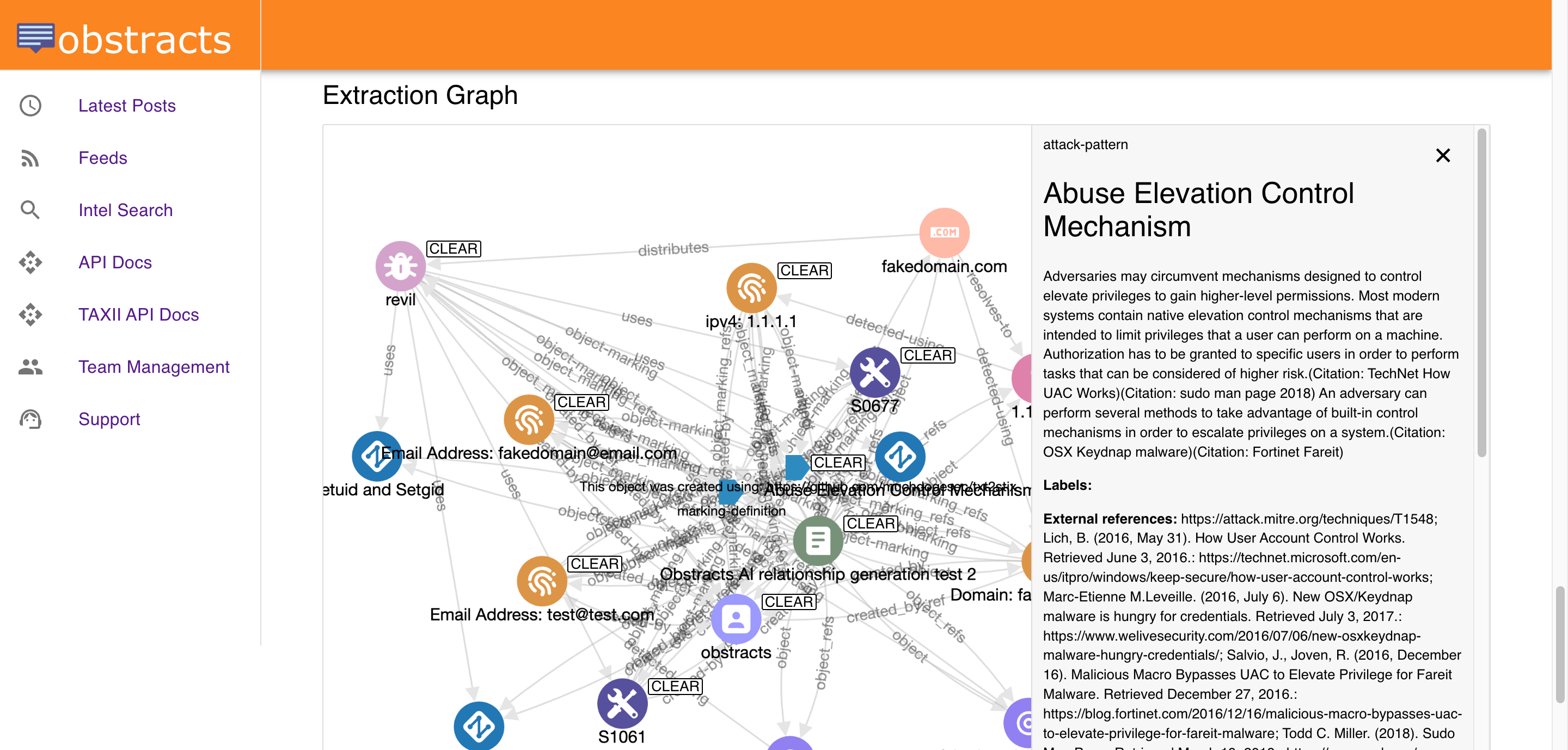
- Search for trends and grouped topics across reporting
- Move from one object or report into related posts more easily
- Save important material for later review
- Enrich investigations with connected public context without repeating the same steps
This improves both speed and quality. Analysts spend less time retrieving context and more time interpreting it.
Why this matters
Manual research does not fail all at once. It fails through small inefficiencies that compound:
- repeated searches across many sites
- missed links between similar reports
- lost context between sessions
- extra effort to compare overlapping sources
These costs are easy to underestimate, but they shape day-to-day analyst productivity.
Where Obstracts fits
Obstracts gives teams a more usable research layer over public reporting.
That includes structured search, object-based pivots, similar-post discovery, grouped topics, and lightweight workflow features such as bookmarks. Together, these help analysts move through public intelligence with less friction.
This is especially useful for:
- CTI production
- investigations
- threat hunting support
- research-heavy analyst workflows
- teams that need to turn many sources into one usable working environment
What makes this a solution, not just a feature
The outcome comes from improving the full working process:
- less manual source-by-source searching
- less repeated cross-referencing
- faster movement between related intelligence
- better continuity across longer investigations
The result is a more efficient analyst workflow, not just a faster search box.